
Does Having a Tremor Mean I'm Going to Develop Parkinson’s Disease?

joel.desrochers • May 2, 2025

Share this article

Noticing your hand shaking while holding a coffee cup can be scary. Many people immediately wonder about Parkinson’s disease when they see trembling in their hands.

At Neurology Diagnostics, Inc. , in Dayton, Ohio, Joel Vandersluis, MD, and our team regularly evaluate patients with tremors. We help distinguish between different types of tremors and determine their underlying causes.

Many common tremors have nothing to do with Parkinson’s disease

Many people notice hand tremors and immediately fear the worst. While tremors are indeed a hallmark symptom of Parkinson’s disease, they’re just one of many possible causes of shaking.

For instance, essential tremor, the most common tremor disorder, affects about 10 million Americans — far more than Parkinson’s. This condition typically causes shaking during intentional movements like drinking, eating, or writing.

Other common causes of tremors include:

  • Medication side effects
  • Excessive caffeine consumption
  • Anxiety or stress
  • Thyroid disorders
  • Liver or kidney disease

Understanding the specific characteristics of your tremor helps determine whether it might indicate Parkinson’s disease or something else entirely.

Parkinson’s tremors have these telltale signs

Parkinson’s disease tremors have distinct characteristics that set them apart. They typically:

  • Start on one side of the body
  • Occur at rest and decrease with intentional movement
  • Present as a rhythmic "pill-rolling" motion between thumb and forefinger
  • Often improve temporarily during sleep

Understanding these specific patterns helps us identify what’s actually causing your tremors.

Watch for these other symptoms alongside tremors

Tremors alone rarely tell the whole story for a Parkinson’s diagnosis. Pay attention if you notice other symptoms along with your tremors. 

Muscle stiffness or rigidity might make your limbs feel tight or hard to move. You might notice your movements have slowed down, or you have trouble with balance. 

Some patients develop a stooped posture or changes in how they walk. Even your handwriting might get smaller than it used to be.

When these symptoms show up together with tremors, we recommend coming in for a neurological evaluation.

Here’s how we evaluate your tremors

When you come to Neurology Diagnostics, Inc., with concerns about tremors, we conduct comprehensive assessments including:

  • Detailed medical history
  • Neurological examination
  • Blood tests to rule out metabolic causes
  • Imaging studies when appropriate

Sometimes we recommend specialized tests like DaTscan imaging, which helps detect dopamine deficiencies characteristic of Parkinson’s disease.

When to get your tremors checked by a doctor

You should seek professional evaluation if your tremors:

  • Interfere with daily activities
  • Progressively worsen
  • Begin suddenly
  • Accompany other neurological symptoms

Regardless of the cause, early diagnosis opens doors to more effective treatment options and improved quality of life.

At Neurology Diagnostics, Inc., we specialize in accurately diagnosing and managing movement disorders. Our experienced team helps patients understand their condition and develop effective treatment plans.

Call our Dayton office at 937-224-8200 or schedule online today to arrange an evaluation of your tremors.

Recent Posts

By joel.desrochers • July 10, 2025
Managing multiple sclerosis demands a comprehensive approach that includes physical therapy alongside traditional medications. With targeted exercises and stretches, you can protect your strength and mobility.
By joel.desrochers • July 2, 2025
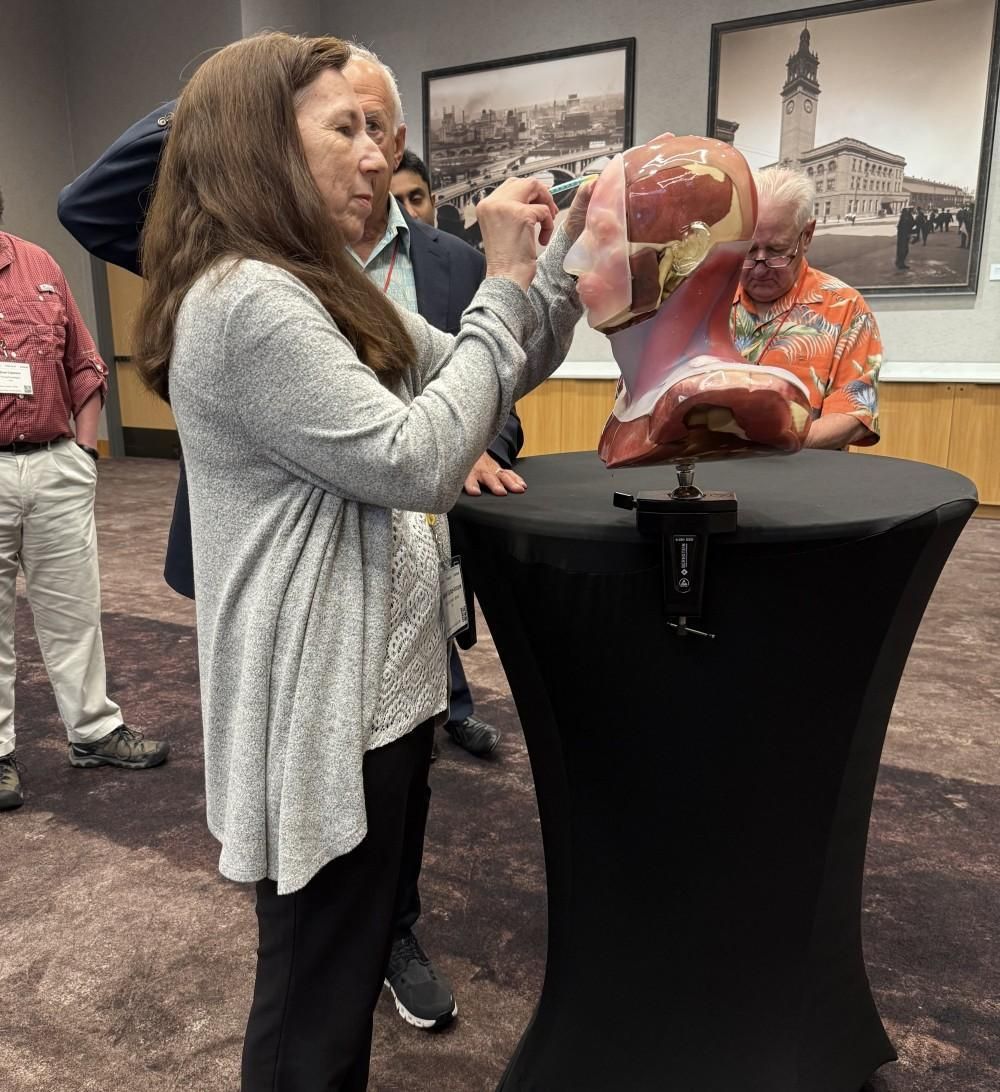
Our dedicated team at NDx Clinical Research recently traveled to attend an exclusive investigator meeting for an exciting new clinical trial evaluating a new biosimilar Botox compound as a potential treatment for chronic migraines!

By joel.desrochers • June 3, 2025
Wondering if a clinical trial might be right for you? These research studies can open doors to new treatments but come with tradeoffs worth considering.

By joel.desrochers • April 11, 2025
FAA medical exams can make or break your flying career. Our guide walks you through what examiners check, which documents to bring, and simple pre-exam adjustments that prevent certification problems. 
By joel.desrochers • March 10, 2025
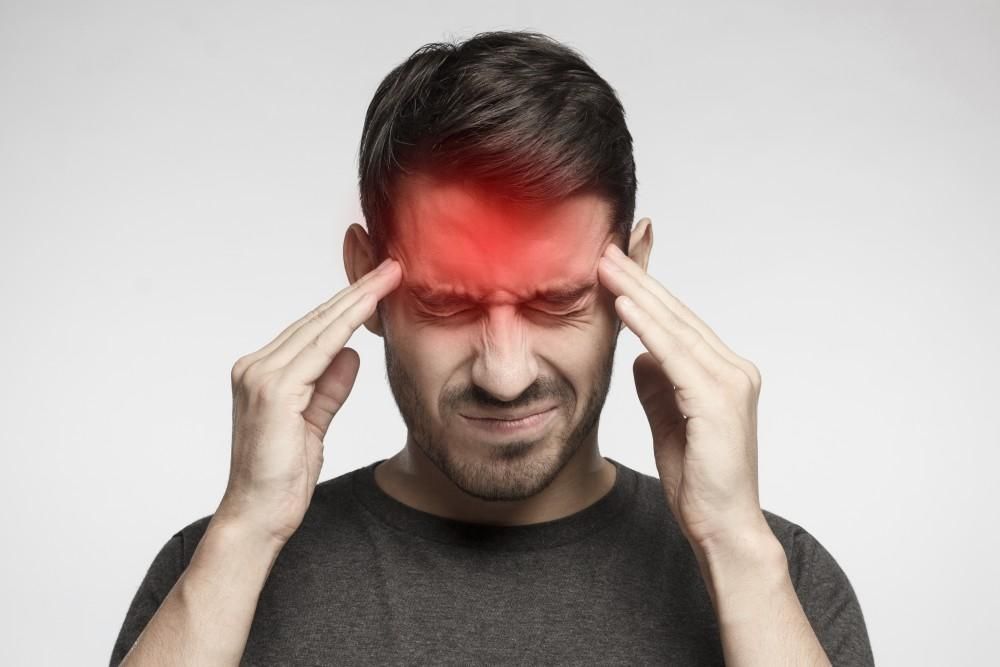
Could your diet be triggering your migraines? Certain foods, from aged cheese to red wine, might be the culprit behind those debilitating headaches. Learn which common foods to watch for and how to identify your personal triggers.
By joel.desrochers • February 18, 2025
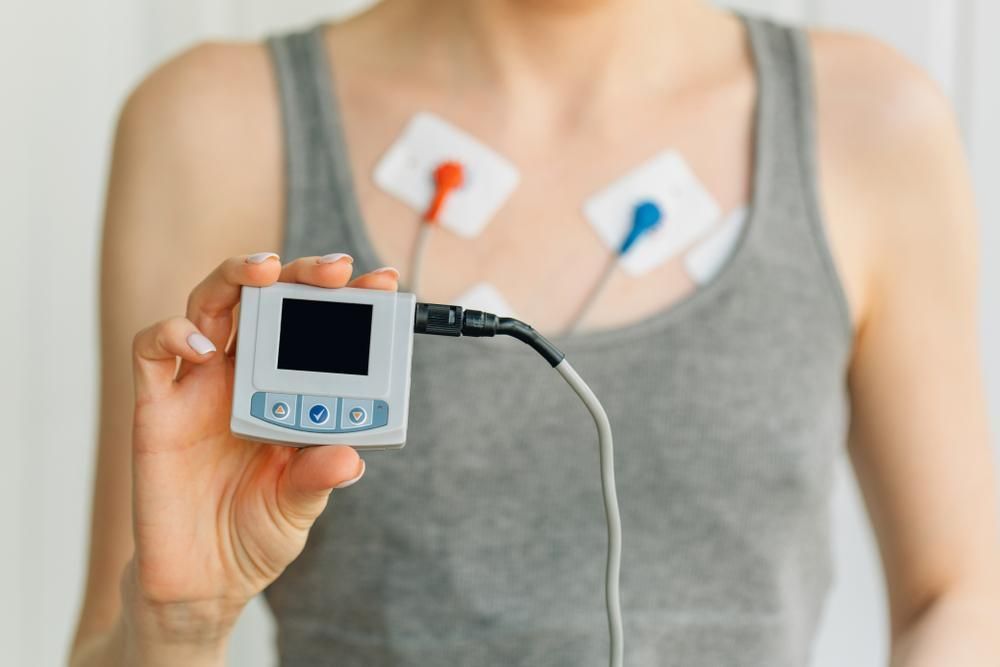
Unexplained numbness, tingling, or muscle weakness could be signs of a nerve or muscle disorder. Electrodiagnostic medicine helps pinpoint the cause so you can get the answers you need to develop the proper treatment.

By joel.desrochers • January 27, 2025
Curious about clinical trials but not sure if they’re right for you? They’re critical for advancing medical treatments, but many people don’t realize how they can benefit from participating. Learn more about how they work and why they matter.
By joel.desrochers • December 9, 2024
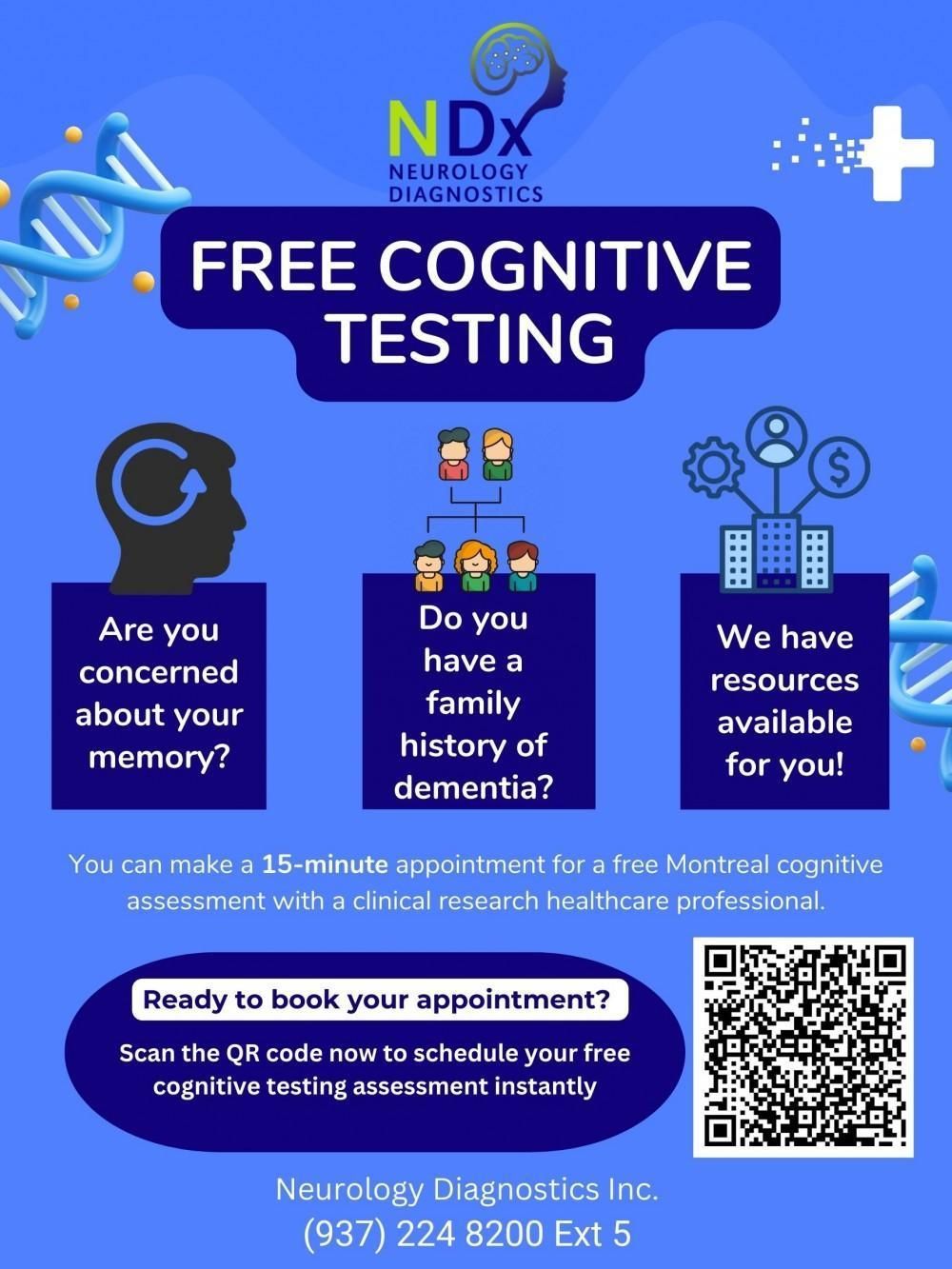
Worried about your memory? Get a free cognitive assessment! Learn what to expect during the 15-minute evaluation and discover potential next steps like consulting with a neurologist or participating in clinical trials. Schedule a free cognitive testing NOW

By joel.desrochers • December 3, 2024
Dementia affects millions, altering memory, thinking, and daily life. Here we explore the basics of dementia, from signs and diagnosis to managing care with empathy. Explore expert tips to support your loved one, and yourself, on this journey.
By joel.desrochers • October 17, 2023
October 17, 2023 - Neurology Diagnostics’ Role in Advancing Alzheimer’s Research: LUCIDITY Phase 3 Outcomes - NDX Research Clinic Updates - New Referral Process - Accepting New Patients

Show More