
What is Electrodiagnostic Medicine?

joel.desrochers • February 18, 2025

Share this article

Have you ever felt tingling, numbness, or unexplained muscle weakness and wondered what’s happening? These symptoms can be frustrating, especially when they don’t have an apparent cause.

Electrodiagnostic medicine can help figure out why these symptoms are happening. 

At Neurology Diagnostics, Inc ., in Dayton, Ohio, Joel Vandersluis, MD, and our team use electrodiagnostic testing to diagnose conditions like carpal tunnel syndrome, neuropathy, and other nerve-related disorders. 

If you’re experiencing unusual sensations or muscle weakness, these tests might provide the answers you’ve sought.

How electrodiagnostic testing works

Electrodiagnostic medicine involves two main tests:

Nerve conduction studies (NCS)

Have you ever had that “pins and needles” feeling? This test helps measure how well your nerves send electrical signals. Our team places small electrodes on your skin while a mild electrical pulse travels through the nerve. If the signal is slow or weak, it could mean there’s nerve damage.

Electromyography (EMG)

This test looks at how your muscles and nerves communicate. We insert a tiny needle electrode into the muscle to record its electrical activity. If the signals aren’t working as they should, it could point to a nerve or muscle disorder.

The tests work together to help us understand what’s causing your symptoms, from nerve compression to muscle issues.

When should you consider electrodiagnostic testing?

Not every ache or tingle means you need testing, but you might consider it if you experience persistent symptoms like:

  • Numbness or tingling that won’t go away
  • Muscle weakness or cramping
  • Unexplained pain or loss of coordination
  • Trouble with movement or reflexes

Our team uses EMG and nerve conduction studies to help diagnose conditions like carpal tunnel syndrome, peripheral neuropathy (often linked to diabetes), radiculopathy (nerve irritation from spinal issues), and more serious disorders like amyotrophic lateral sclerosis (ALS).

What to expect during testing

Electrodiagnostic medicine tests are quick and generally well tolerated. NCS feels like a series of small electrical pulses or vibrations on your skin. 

While EMG involves a tiny needle, most people report a slight pinch that’s more uncomfortable than painful. The whole process usually takes between 30-60 minutes. You can go about your day afterward like normal.

Get answers for your nerve and muscle symptoms

If you’ve been dealing with unexplained numbness, tingling, or muscle weakness, electrodiagnostic testing could give you the clarity you need. 

At Neurology Diagnostics, Inc., we specialize in getting to the root of nerve and muscle issues so you can proceed with the proper treatment. 

Call our office today or schedule an appointment online to learn more.

Recent Posts

By joel.desrochers • July 10, 2025
Managing multiple sclerosis demands a comprehensive approach that includes physical therapy alongside traditional medications. With targeted exercises and stretches, you can protect your strength and mobility.
By joel.desrochers • July 2, 2025
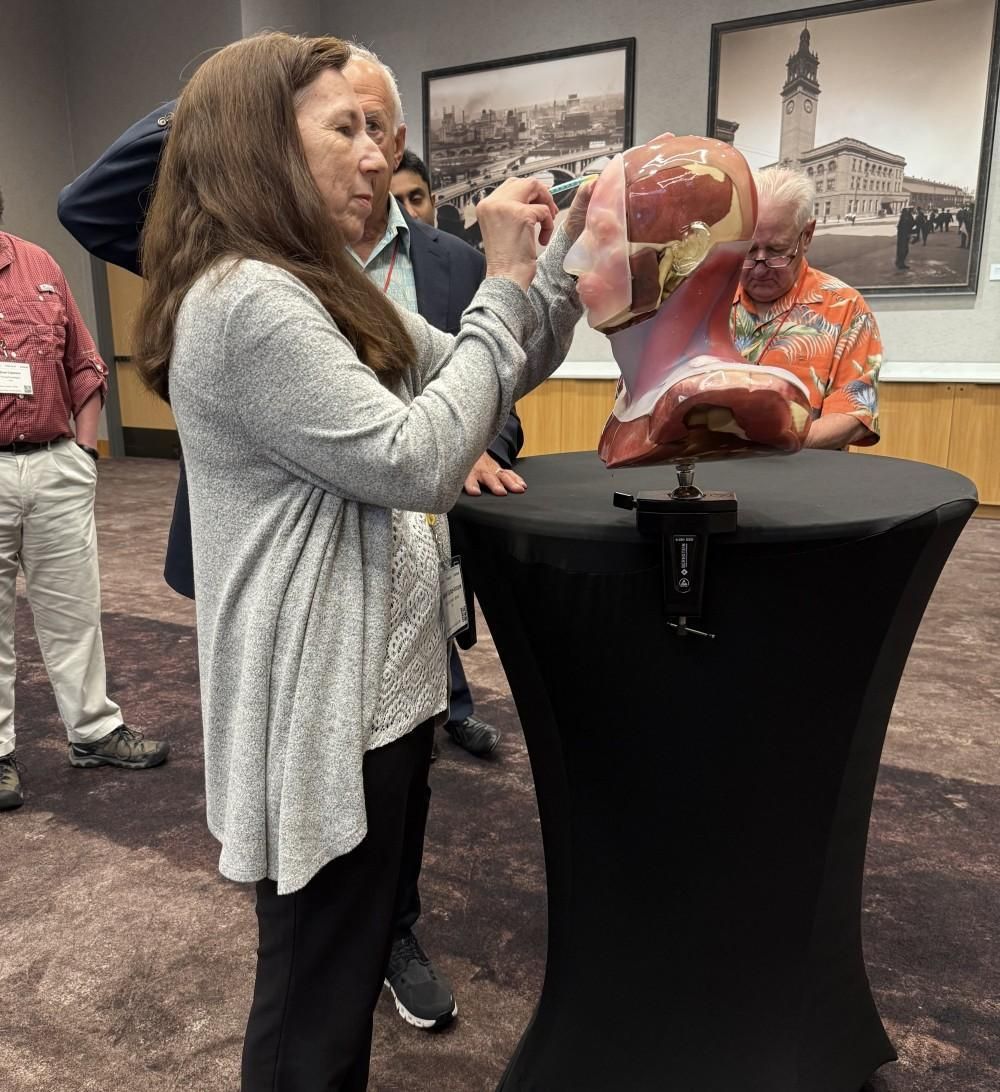
Our dedicated team at NDx Clinical Research recently traveled to attend an exclusive investigator meeting for an exciting new clinical trial evaluating a new biosimilar Botox compound as a potential treatment for chronic migraines!

By joel.desrochers • June 3, 2025
Wondering if a clinical trial might be right for you? These research studies can open doors to new treatments but come with tradeoffs worth considering.

By joel.desrochers • May 2, 2025
Having a tremor can be alarming, but it doesn’t automatically mean you have Parkinson’s disease. Understanding the different causes of tremors and how they differ is essential to getting the treatment you need.

By joel.desrochers • April 11, 2025
FAA medical exams can make or break your flying career. Our guide walks you through what examiners check, which documents to bring, and simple pre-exam adjustments that prevent certification problems. 
By joel.desrochers • March 10, 2025
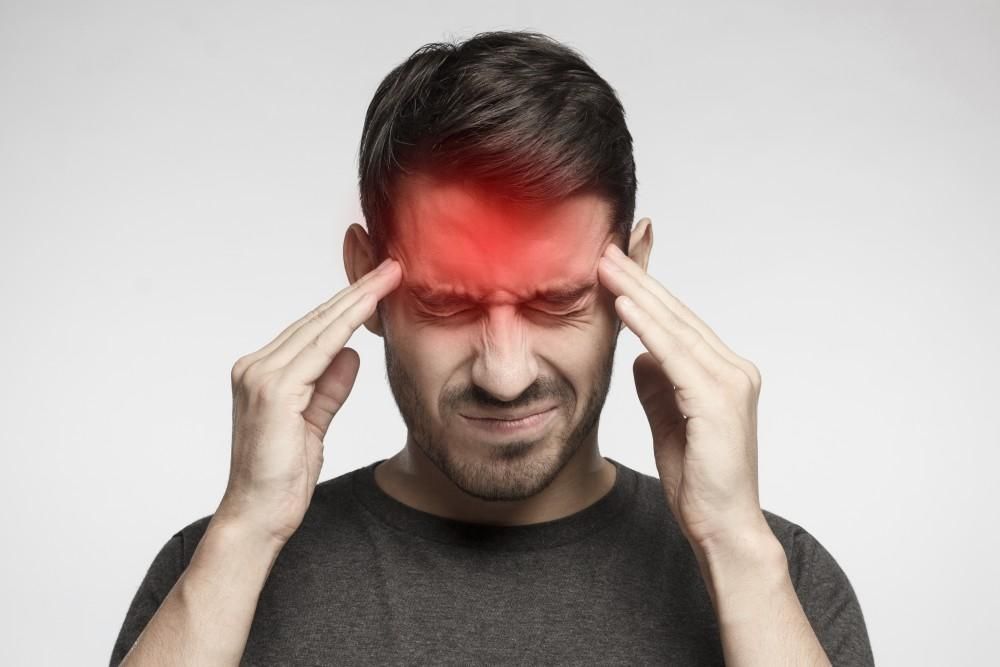
Could your diet be triggering your migraines? Certain foods, from aged cheese to red wine, might be the culprit behind those debilitating headaches. Learn which common foods to watch for and how to identify your personal triggers.

By joel.desrochers • January 27, 2025
Curious about clinical trials but not sure if they’re right for you? They’re critical for advancing medical treatments, but many people don’t realize how they can benefit from participating. Learn more about how they work and why they matter.
By joel.desrochers • December 9, 2024
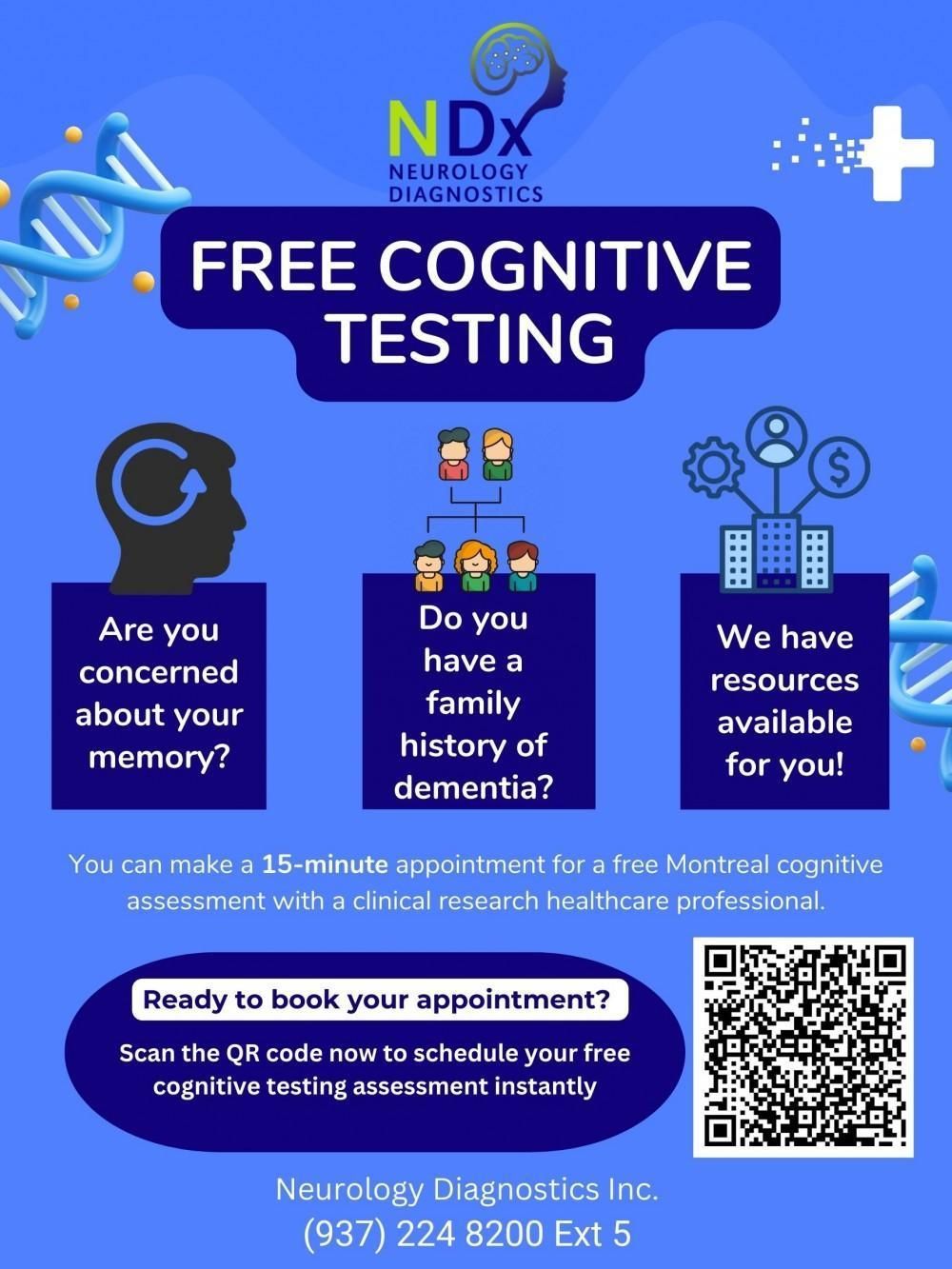
Worried about your memory? Get a free cognitive assessment! Learn what to expect during the 15-minute evaluation and discover potential next steps like consulting with a neurologist or participating in clinical trials. Schedule a free cognitive testing NOW

By joel.desrochers • December 3, 2024
Dementia affects millions, altering memory, thinking, and daily life. Here we explore the basics of dementia, from signs and diagnosis to managing care with empathy. Explore expert tips to support your loved one, and yourself, on this journey.
By joel.desrochers • October 17, 2023
October 17, 2023 - Neurology Diagnostics’ Role in Advancing Alzheimer’s Research: LUCIDITY Phase 3 Outcomes - NDX Research Clinic Updates - New Referral Process - Accepting New Patients

Show More