
How to Prepare for an Aviation Exam

joel.desrochers • April 11, 2025

Share this article

Federal Aviation Administration (FAA) evaluations stand between you and your freedom to fly, whether you’re a commercial pilot, weekend flyer, or student. 

At Neurology Diagnostics, Inc . in Dayton, Ohio, Joel Vandersluis, MD , and our team conduct FAA-approved aviation exams designed to keep you in the cockpit while ensuring aviation safety.

Here’s what you need to know before coming in for your exam:

Aviation exams check more than you might expect

Your FAA medical exam goes deeper than a standard physical. The examiner will assess:

  • Vision and hearing capabilities
  • Blood pressure and heart function
  • Neurological health
  • Mental health status
  • Overall physical condition

The exam gets more or less intensive depending on your certificate class. First Class certification demands the most thorough screening, while Third Class has less stringent requirements.

Bring your complete medical history to avoid delays

Many pilots get stuck due to incomplete medical disclosures. Before your appointment, gather information about previous surgeries, current medications, new diagnoses, vision prescriptions, and family history of significant conditions.

The FAA requires full transparency about your health. When pilots fail to disclose information about health conditions or medications, it typically creates more significant problems down the road. When in doubt, disclose it.

Simple changes before your exam can improve results

Some easy adjustments you can make to be in the best shape possible before the exam include:

  • Cut back on caffeine and salt for 24-48 hours
  • Get solid sleep for 2-3 nights beforehand
  • Drink plenty of water
  • Skip alcohol for at least 24 hours
  • Take regular medications unless told otherwise

These steps won’t fix underlying health problems, but they prevent temporary spikes in blood pressure that could complicate your certification.

Some conditions need reporting; others just need management

Certain medical issues require immediate FAA notification, while others simply need proper management. Heart conditions, diabetes requiring medication, any loss of consciousness, seizures, and mental health conditions treated with medication must be reported because they can impact flight safety.

For borderline issues like slightly elevated blood pressure, it’s wiser to address them before your FAA exam. This proactive approach often prevents certification delays.

Don’t forget these essentials on exam day

Show up with:

  • Government photo ID
  • Your previous medical certificate
  • Current medication list with dosages
  • Glasses or contacts if you wear them
  • Documentation for previously reported conditions
  • FAA MedXPress confirmation number (required before exam)

Coming fully prepared shows your examiner you take your medical fitness seriously and speeds up the entire process.

Schedule your aviation exam with our experienced team

At Neurology Diagnostics, Inc., we understand how crucial your medical certification is to your flying career or hobby. Our FAA-approved exams provide fair assessments that balance safety requirements with your desire to stay in the air.

Call our Dayton office at 937-224-8200 or book online today to schedule your aviation medical exam .

Recent Posts

By joel.desrochers • July 10, 2025
Managing multiple sclerosis demands a comprehensive approach that includes physical therapy alongside traditional medications. With targeted exercises and stretches, you can protect your strength and mobility.

By joel.desrochers • July 2, 2025
Our dedicated team at NDx Clinical Research recently traveled to attend an exclusive investigator meeting for an exciting new clinical trial evaluating a new biosimilar Botox compound as a potential treatment for chronic migraines!

By joel.desrochers • June 3, 2025
Wondering if a clinical trial might be right for you? These research studies can open doors to new treatments but come with tradeoffs worth considering.

By joel.desrochers • May 2, 2025
Having a tremor can be alarming, but it doesn’t automatically mean you have Parkinson’s disease. Understanding the different causes of tremors and how they differ is essential to getting the treatment you need.

By joel.desrochers • March 10, 2025
Could your diet be triggering your migraines? Certain foods, from aged cheese to red wine, might be the culprit behind those debilitating headaches. Learn which common foods to watch for and how to identify your personal triggers.
By joel.desrochers • February 18, 2025
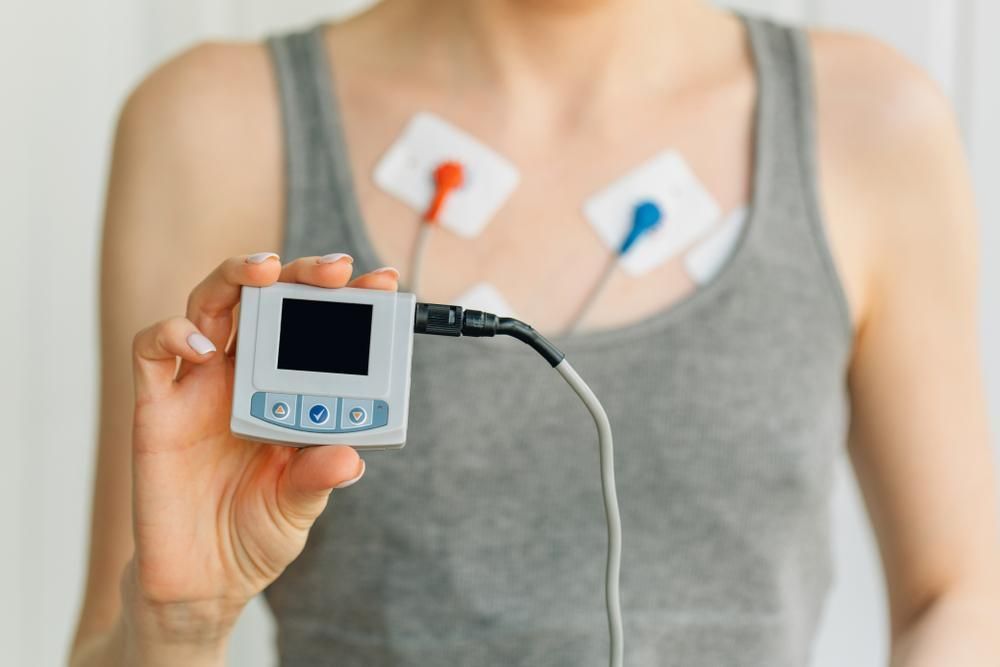
Unexplained numbness, tingling, or muscle weakness could be signs of a nerve or muscle disorder. Electrodiagnostic medicine helps pinpoint the cause so you can get the answers you need to develop the proper treatment.

By joel.desrochers • January 27, 2025
Curious about clinical trials but not sure if they’re right for you? They’re critical for advancing medical treatments, but many people don’t realize how they can benefit from participating. Learn more about how they work and why they matter.
By joel.desrochers • December 9, 2024
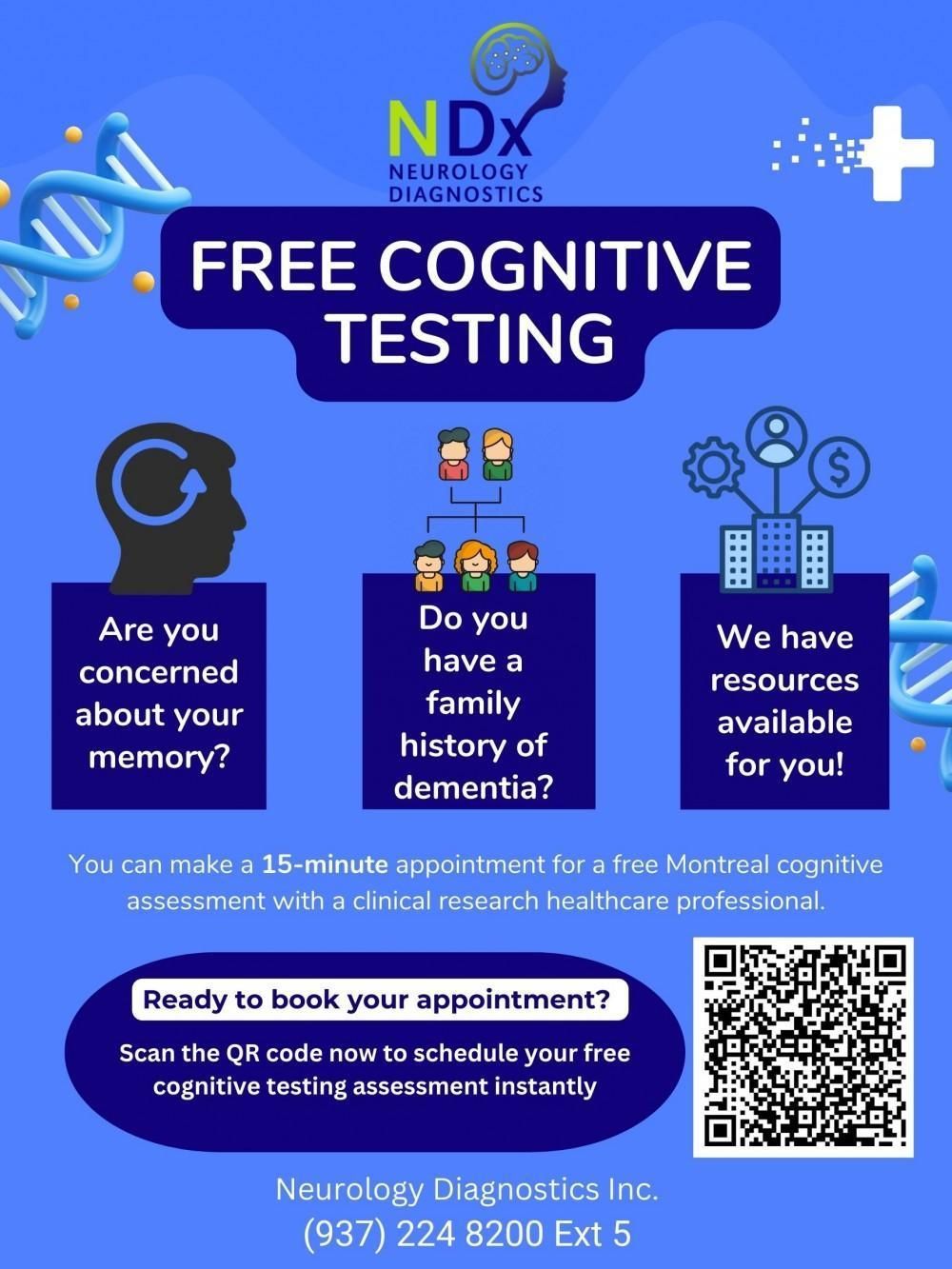
Worried about your memory? Get a free cognitive assessment! Learn what to expect during the 15-minute evaluation and discover potential next steps like consulting with a neurologist or participating in clinical trials. Schedule a free cognitive testing NOW

By joel.desrochers • December 3, 2024
Dementia affects millions, altering memory, thinking, and daily life. Here we explore the basics of dementia, from signs and diagnosis to managing care with empathy. Explore expert tips to support your loved one, and yourself, on this journey.
By joel.desrochers • October 17, 2023
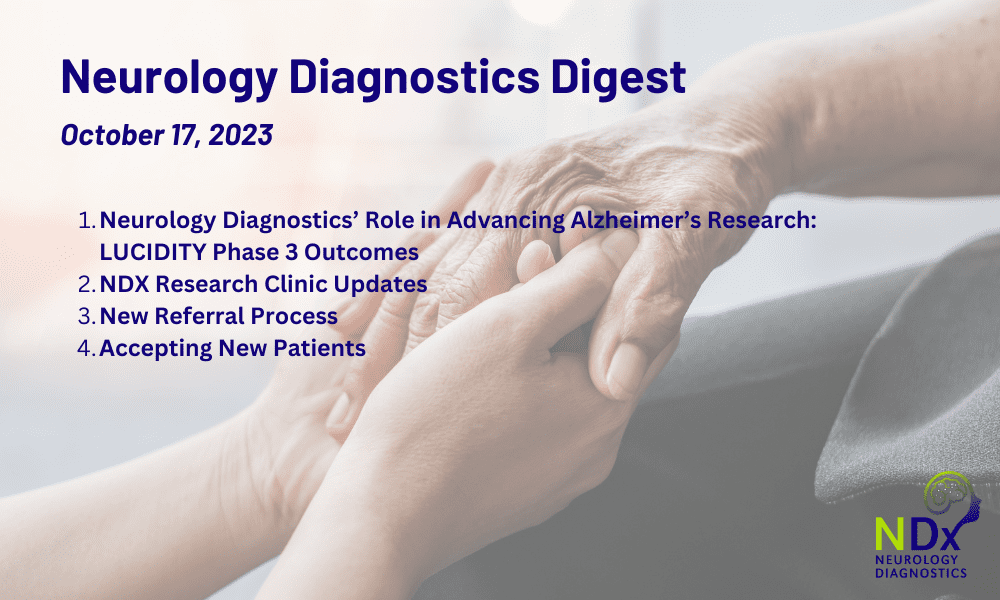
October 17, 2023 - Neurology Diagnostics’ Role in Advancing Alzheimer’s Research: LUCIDITY Phase 3 Outcomes - NDX Research Clinic Updates - New Referral Process - Accepting New Patients

Show More