
What Is the Link Between Certain Foods and Migraines?

joel.desrochers • March 10, 2025

Share this article

For the millions of Americans who suffer from migraines , finding triggers can feel like an exhausting process of trial and error. At Neurology Diagnostics, Inc. in Dayton, Ohio, Joel Vandersluis, MD , and our team frequently work with patients to identify dietary triggers that may contribute to migraine attacks.

Common food triggers for migraines

While everyone’s triggers are unique, certain foods consistently appear as culprits in triggering migraine headaches:

Aged and fermented foods

Aged cheeses, like blue cheese and aged cheddar, contain high levels of tyramine (a natural compound formed during the aging process) that can spark migraine attacks. Fermented foods such as sauerkraut, kimchi, and kombucha contain tyramine and histamine, which might trigger episodes in sensitive people.

Artificial sweeteners and MSG

Many patients report that artificial sweeteners, particularly aspartame, can trigger severe headaches. Monosodium glutamate (MSG), often found in processed foods, is another common trigger.

Caffeine 

Caffeine’s relationship with migraines is complicated. While some people find that a cup of coffee can help abort an oncoming migraine, others discover that caffeine triggers their headaches. Additionally, caffeine withdrawal can lead to severe headaches.

Chocolate and sweets

Despite its beloved status, chocolate remains one of the most reported migraine triggers. The combination of caffeine and other naturally occurring compounds might be responsible. Foods high in sugar can also cause rapid blood sugar changes that may trigger migraines.

Alcohol and wine

Red wine, in particular, contains substances called tannins and histamines that commonly trigger migraines. Beer and other alcoholic beverages can also be problematic for many sufferers.

How to identify your food triggers

Keeping a detailed food diary is crucial in identifying your personal triggers. Dr. Vandersluis recommends recording:

  • Everything you eat and drink
  • The time of consumption
  • Any headaches or symptoms that follow
  • The severity and duration of symptoms

After several weeks of consistent tracking, patterns often emerge that can help identify specific trigger foods.

The elimination approach

Once we identify potential triggers, we typically recommend an elimination diet. This involves:

  • Removing suspected trigger foods completely for at least four weeks
  • Gradually reintroducing foods one at a time
  • Carefully monitoring any reactions or symptoms
  • Documenting which foods consistently cause problems

The key is patience during this process — it takes time, but pinpointing your triggers is worth the wait.

Prevention strategies to thwart migraine attacks

While avoiding trigger foods is essential, other dietary habits can help prevent migraines:

  • Eating regular meals to maintain stable blood sugar
  • Staying well-hydrated throughout the day
  • Consuming a balanced diet rich in anti-inflammatory foods
  • Getting adequate magnesium through foods like leafy greens and nuts

You may experience a noticeable reduction in your migraine frequency within weeks of changing your diet.

When to seek professional help

If you’re struggling to identify your migraine triggers or finding that dietary changes aren’t providing sufficient relief, it’s time to seek professional help. Dr. Vandersluis and our Neurology Diagnostics, Inc. team can provide comprehensive migraine evaluation and management.

Ready to take control of your migraines? Schedule an appointment at our Dayton office online or call us at 937-224-8200.


Recent Posts

By joel.desrochers • July 10, 2025
Managing multiple sclerosis demands a comprehensive approach that includes physical therapy alongside traditional medications. With targeted exercises and stretches, you can protect your strength and mobility.

By joel.desrochers • July 2, 2025
Our dedicated team at NDx Clinical Research recently traveled to attend an exclusive investigator meeting for an exciting new clinical trial evaluating a new biosimilar Botox compound as a potential treatment for chronic migraines!

By joel.desrochers • June 3, 2025
Wondering if a clinical trial might be right for you? These research studies can open doors to new treatments but come with tradeoffs worth considering.

By joel.desrochers • May 2, 2025
Having a tremor can be alarming, but it doesn’t automatically mean you have Parkinson’s disease. Understanding the different causes of tremors and how they differ is essential to getting the treatment you need.

By joel.desrochers • April 11, 2025
FAA medical exams can make or break your flying career. Our guide walks you through what examiners check, which documents to bring, and simple pre-exam adjustments that prevent certification problems. 

By joel.desrochers • February 18, 2025
Unexplained numbness, tingling, or muscle weakness could be signs of a nerve or muscle disorder. Electrodiagnostic medicine helps pinpoint the cause so you can get the answers you need to develop the proper treatment.

By joel.desrochers • January 27, 2025
Curious about clinical trials but not sure if they’re right for you? They’re critical for advancing medical treatments, but many people don’t realize how they can benefit from participating. Learn more about how they work and why they matter.
By joel.desrochers • December 9, 2024
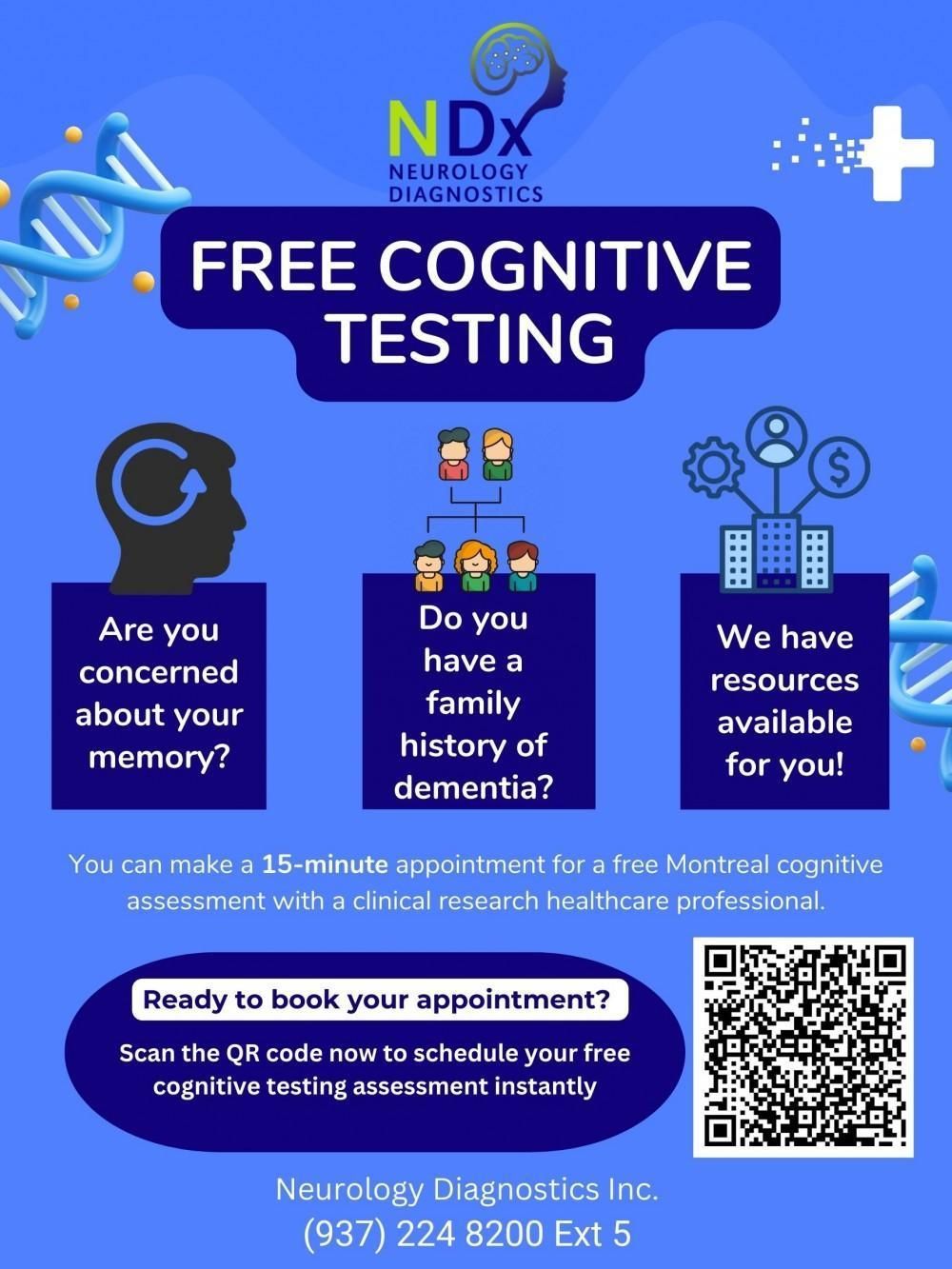
Worried about your memory? Get a free cognitive assessment! Learn what to expect during the 15-minute evaluation and discover potential next steps like consulting with a neurologist or participating in clinical trials. Schedule a free cognitive testing NOW

By joel.desrochers • December 3, 2024
Dementia affects millions, altering memory, thinking, and daily life. Here we explore the basics of dementia, from signs and diagnosis to managing care with empathy. Explore expert tips to support your loved one, and yourself, on this journey.
By joel.desrochers • October 17, 2023
October 17, 2023 - Neurology Diagnostics’ Role in Advancing Alzheimer’s Research: LUCIDITY Phase 3 Outcomes - NDX Research Clinic Updates - New Referral Process - Accepting New Patients

Show More