
What Is Clinical Research?

joel.desrochers • September 21, 2021

Share this article

What is clinical research?

Clinical research is a medical research involving people. It is a branch of science that helps us gain knowledge about the disease progression, new medical drugs, procedures or devices.

There are two types of clinical research:

  • Clinical trial is an interventional study. It tests the safety and efficacy of the new medical drugs, procedures, or devices
  • Observational study only observes people and collects data from them. It does not test any new drug or device. Such a study only gathers information of how a disease is progressing in different people.

How safe are these trials?

Before testing the drug on humans, it undergoes a preclinical phase. During this phase, the drug undergoes testing for safety and efficacy on lab animals.

Once the drug completes a preclinical phase, before further testing on humans, the sponsor needs to get an Interventional Review Board’s (IRB) approval for the study design and the benefit to risk ratio. The IRB reviews the study design with patient safety as its only priority. Only after IRB’s approval, the drug enters the clinical trial phase. Throughout the study duration, the IRB, the sponsor, and your study team communicate constantly to monitor patient safety.

The clinical trial has 4 phases:

Phase 1 enrolls healthy volunteers to test for drug dose safety.

Phase 2 enrolls about 100-300 target population to test safety and efficacy of the drug.

Phase 3 enrolls 300-1000 target population for final testing.

Phase 4 post-approval studies, collecting data on the long-term effect.

All these phases are strictly governed by the IRB and the FDA.


At any given point, patient safety is of utmost priority.


Is my information confidential?

Your information will be confidential. Once you are enrolled in the study you will receive a subject number. All the data collected from you will be associated only with that number. Your identity will not be revealed anywhere. If a study thinks your identity could be compromised then that information will be available to you in the informed consent form that you will sign before enrolling in the study.

Why is clinical research important?

Clinical research helps scientists get more information of about disease progression. Better knowledge and understanding of the disease will lead to development of better cure. Sometimes the current interventions would only help in slowing the progression of disease or help manage symptoms. In these circumstances, development of new drug to prevent the disease or cure the disease or even better management with less side-effects would be a break through.

Why should I participate in the research study?

  • By participating in the study, you will be helping scientist develop new intervention that will help people like you.
  • Sometimes, the current medications are not helping you enough. So by participating in the study you would be able to explore the drugs that could potentially help you in the future.
  • Some just want to help the community.


So, what’s your reason going to be?


Feel free to contact our research team and learn more about the clinical studies.

Contact information:

Phone number: 937-224-8200 ext. 105


For more information on clinical research visit:


Recent Posts

By joel.desrochers • July 10, 2025
Managing multiple sclerosis demands a comprehensive approach that includes physical therapy alongside traditional medications. With targeted exercises and stretches, you can protect your strength and mobility.
By joel.desrochers • July 2, 2025
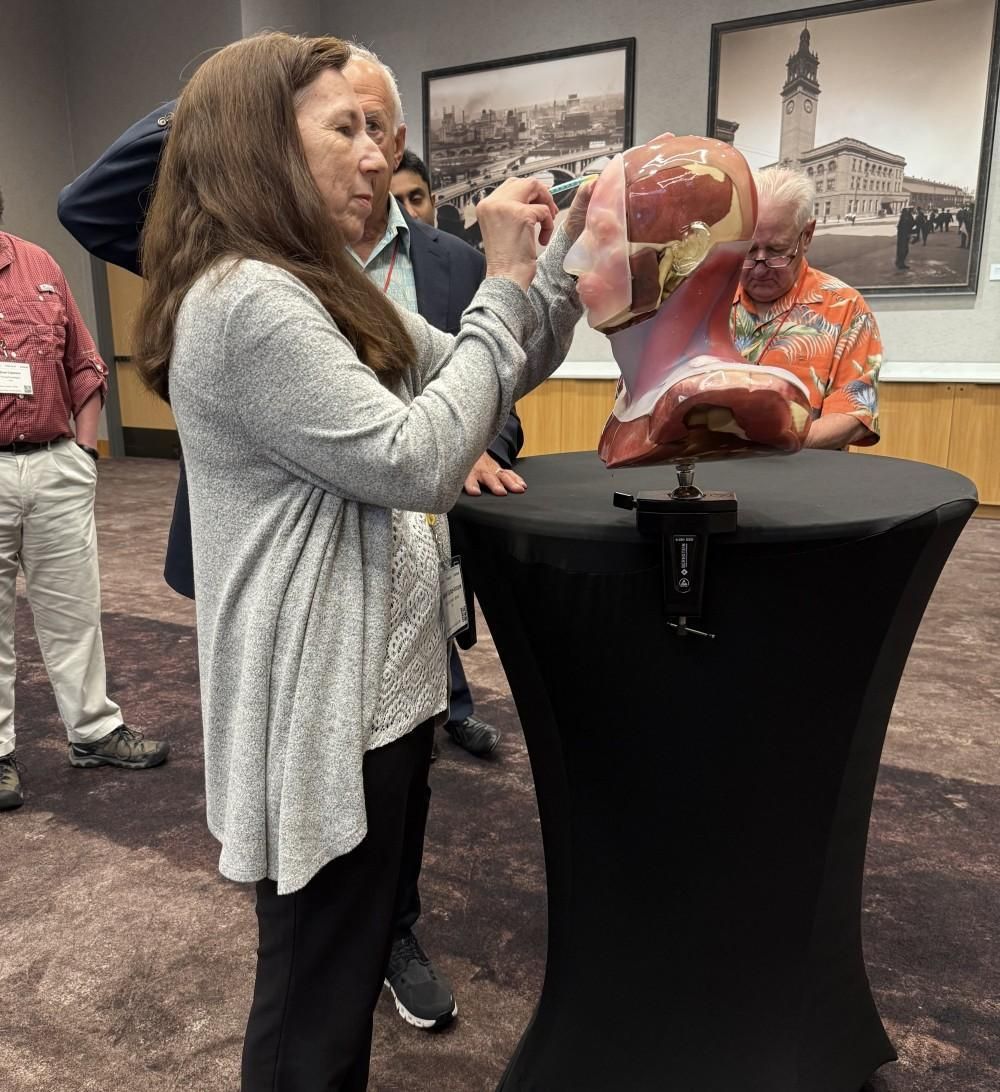
Our dedicated team at NDx Clinical Research recently traveled to attend an exclusive investigator meeting for an exciting new clinical trial evaluating a new biosimilar Botox compound as a potential treatment for chronic migraines!

By joel.desrochers • June 3, 2025
Wondering if a clinical trial might be right for you? These research studies can open doors to new treatments but come with tradeoffs worth considering.

By joel.desrochers • May 2, 2025
Having a tremor can be alarming, but it doesn’t automatically mean you have Parkinson’s disease. Understanding the different causes of tremors and how they differ is essential to getting the treatment you need.

By joel.desrochers • April 11, 2025
FAA medical exams can make or break your flying career. Our guide walks you through what examiners check, which documents to bring, and simple pre-exam adjustments that prevent certification problems. 

By joel.desrochers • March 10, 2025
Could your diet be triggering your migraines? Certain foods, from aged cheese to red wine, might be the culprit behind those debilitating headaches. Learn which common foods to watch for and how to identify your personal triggers.
By joel.desrochers • February 18, 2025
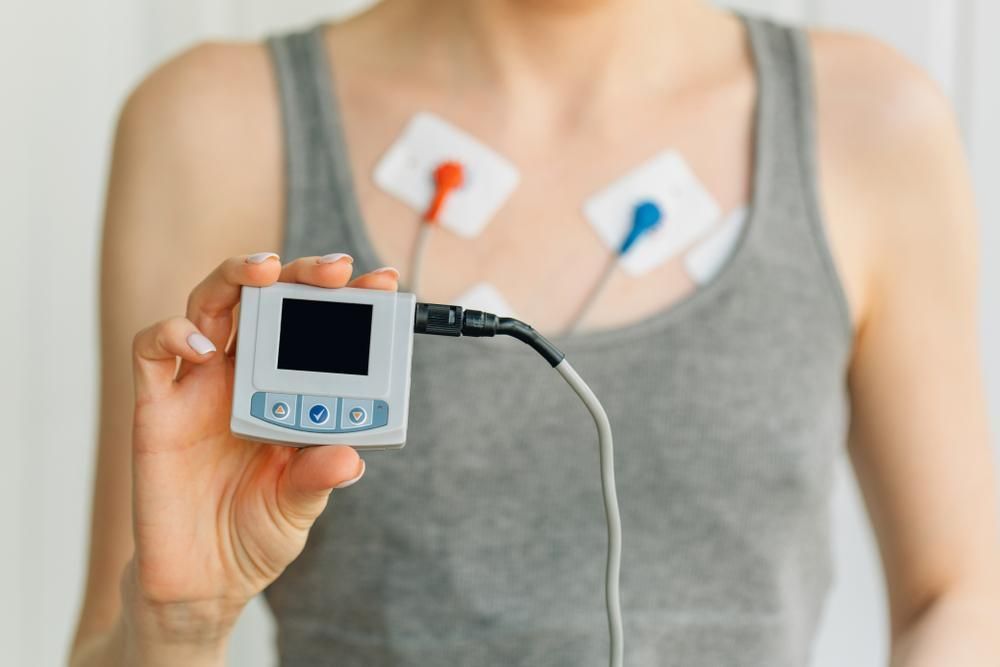
Unexplained numbness, tingling, or muscle weakness could be signs of a nerve or muscle disorder. Electrodiagnostic medicine helps pinpoint the cause so you can get the answers you need to develop the proper treatment.

By joel.desrochers • January 27, 2025
Curious about clinical trials but not sure if they’re right for you? They’re critical for advancing medical treatments, but many people don’t realize how they can benefit from participating. Learn more about how they work and why they matter.
By joel.desrochers • December 9, 2024
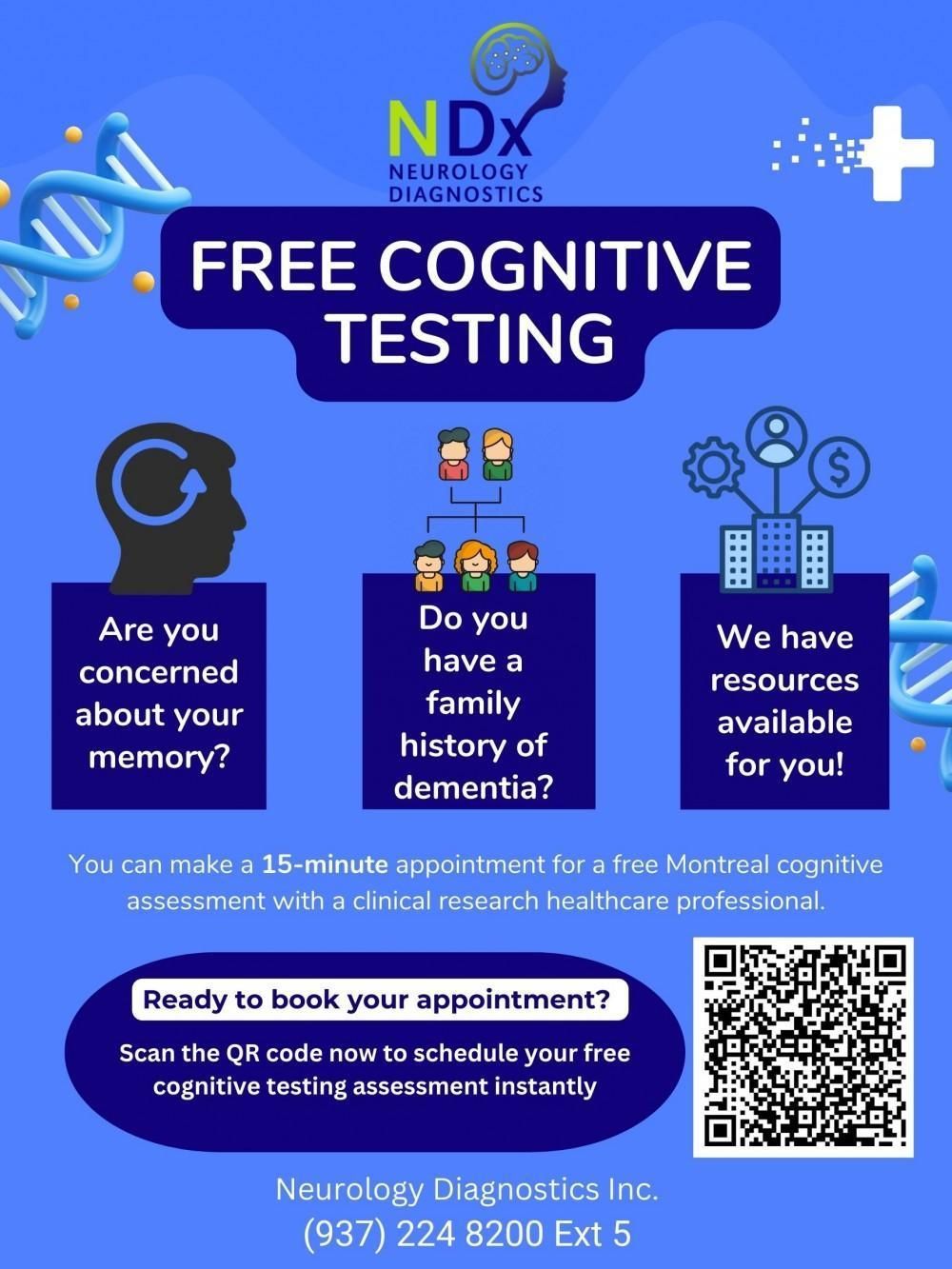
Worried about your memory? Get a free cognitive assessment! Learn what to expect during the 15-minute evaluation and discover potential next steps like consulting with a neurologist or participating in clinical trials. Schedule a free cognitive testing NOW

By joel.desrochers • December 3, 2024
Dementia affects millions, altering memory, thinking, and daily life. Here we explore the basics of dementia, from signs and diagnosis to managing care with empathy. Explore expert tips to support your loved one, and yourself, on this journey.

Show More